It was like a whole new America. The country's productivity grew about 2% per year. The North manufactured ships while the South harvested crops on large plantations. Around 90% of Americans worked in the agricultural sector of the job market. Eli Whitney's invention of the cotton gin caused massive growth in the cotton industry in the South. The economy was also being improved by the invention of the steam engine, and its products like the steamboat and the train. This prosperity was short lived. The American Civil War had a devastating impact on all parts of the country, especially the economy. The American debt increased exponentially over the four year war. Most of the troubles were in the South while the North received increasing business. However, both sides experienced troubling inflation.
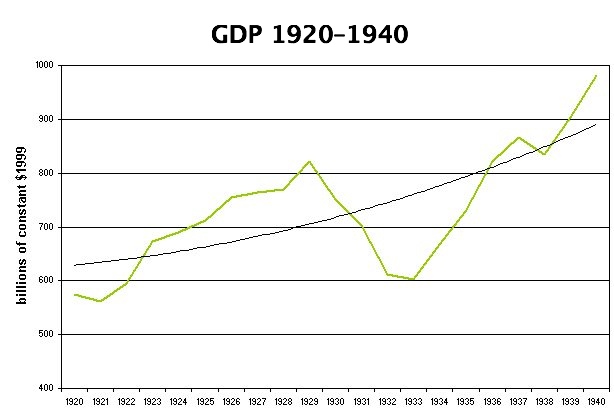
The Civil War had damaged the country gravely, but the ensuing decades showed extreme economic improvement. New inventions were improving manufacturing and commerce, which now dominated the economy. The business world was barely regulated by the government, which had its benefits and its drawbacks. On the positive side, large corporations flourished, and technology like steel and electricity spread quickly. The efficient production of these goods aided the economy greatly. However, the system has its flaws. For instance, the workers in a large corporation had bad living conditions and received little pay. Additionally, the system has its fair share of economic booms and recessions, which cause large amounts of unemployment. Some of these recessions were very serious. The Long Depression was a depression between 1873 and 1876 that brought unemployment to a staggering 14%. The Panic of 1893 caused so much damage to the economy that the president was forced to borrow tens of millions of dollars from tycoon J. P. Morgan. The recession was a large contributor to William McKinley's success in the 1896 presidential election. Prosperity continued into the 1900s with the invention of the affordable automobile, the assembly line, and the spreading of electricity. World War I brought increased taxes to Americans, and the end of the war saw a slight decrease from wartime taxes, but still higher taxes than there had been before the war. These taxes were lowered during the presidency of Warren G. Harding in the Booming '20s. The 1920s was a decade of prosperity in the United States. Much of this prosperity came from building construction and the automobile industry. The ever increasing popularity of the automobile created increasing prosperity in the oil and road-building industry.

In late 1929, the stock market crashed, launching the world into the Great Depression. In three years, unemployment reached an astonishing 25% and about 40% of banks failed. President Franklin D. Roosevelt launched the New Deal in an effort to stimulate the economy. The New Deal was a series of government programs created to make employment increase and improve the economy. Some of the programs included Social Security, the Securities and Exchange Commission, and the Federal Deposit Insurance Corporation. The New Deal helped the economy vastly, but World War II helped an equal amount. In the early 1940s, many consumer product manufacturers were mobilized and were used to manufacture military equipment. As a result of the dramatically increased job opportunities, unemployment dropped to a record low.

World War II was followed by another time of economic prosperity in the United States. There was no class-favoritism with the improvement, each class experienced fairly equal economic growth. Soon after the war, America became the wealthiest country in the world, and had a steady footing as a superpower. The government improved labor rights and created programs like Medicare and Food Stamps to help the citizens. The prosperity, however, came to an end in the 1970s. Inflation and the increasing dependence on imported goods had a strong effect on the economy. Employment and productivity dropped. The national debt to other countries steadily increased through the 1980s. Throughout the 1990s, the debt increased 75%, the GDP grew 69%, and the stock market tripled. Finally, in 2008, the Great Recession started. The Great Recession will be covered in a later blog post about the current economic situation.
The Civil War had damaged the country gravely, but the ensuing decades showed extreme economic improvement. New inventions were improving manufacturing and commerce, which now dominated the economy. The business world was barely regulated by the government, which had its benefits and its drawbacks. On the positive side, large corporations flourished, and technology like steel and electricity spread quickly. The efficient production of these goods aided the economy greatly. However, the system has its flaws. For instance, the workers in a large corporation had bad living conditions and received little pay. Additionally, the system has its fair share of economic booms and recessions, which cause large amounts of unemployment. Some of these recessions were very serious. The Long Depression was a depression between 1873 and 1876 that brought unemployment to a staggering 14%. The Panic of 1893 caused so much damage to the economy that the president was forced to borrow tens of millions of dollars from tycoon J. P. Morgan. The recession was a large contributor to William McKinley's success in the 1896 presidential election. Prosperity continued into the 1900s with the invention of the affordable automobile, the assembly line, and the spreading of electricity. World War I brought increased taxes to Americans, and the end of the war saw a slight decrease from wartime taxes, but still higher taxes than there had been before the war. These taxes were lowered during the presidency of Warren G. Harding in the Booming '20s. The 1920s was a decade of prosperity in the United States. Much of this prosperity came from building construction and the automobile industry. The ever increasing popularity of the automobile created increasing prosperity in the oil and road-building industry.

In late 1929, the stock market crashed, launching the world into the Great Depression. In three years, unemployment reached an astonishing 25% and about 40% of banks failed. President Franklin D. Roosevelt launched the New Deal in an effort to stimulate the economy. The New Deal was a series of government programs created to make employment increase and improve the economy. Some of the programs included Social Security, the Securities and Exchange Commission, and the Federal Deposit Insurance Corporation. The New Deal helped the economy vastly, but World War II helped an equal amount. In the early 1940s, many consumer product manufacturers were mobilized and were used to manufacture military equipment. As a result of the dramatically increased job opportunities, unemployment dropped to a record low.
World War II was followed by another time of economic prosperity in the United States. There was no class-favoritism with the improvement, each class experienced fairly equal economic growth. Soon after the war, America became the wealthiest country in the world, and had a steady footing as a superpower. The government improved labor rights and created programs like Medicare and Food Stamps to help the citizens. The prosperity, however, came to an end in the 1970s. Inflation and the increasing dependence on imported goods had a strong effect on the economy. Employment and productivity dropped. The national debt to other countries steadily increased through the 1980s. Throughout the 1990s, the debt increased 75%, the GDP grew 69%, and the stock market tripled. Finally, in 2008, the Great Recession started. The Great Recession will be covered in a later blog post about the current economic situation.
Sources:
http://eh.net/encyclopedia/article/baack.war.revolutionary.us
http://www.randomhistory.com/us-economy-history.html
http://www.economicshelp.org/blog/5002/economics/pros-and-cons-of-capitalism/
http://en.wikipedia.org/wiki/American_economic_history
http://en.wikipedia.org/wiki/American_economic_history

No comments:
Post a Comment